The 8 Best Fitness Trackers of 2026, Tested and Reviewed
NBC Select published its 2026 fitness tracker roundup on July 7. Eight devices survived hands-on testing across heart rate, GPS, sleep staging, and recovery metrics.
Duncan Reed·updated July 09, 2026
Sensor stack, ranked by training relevance
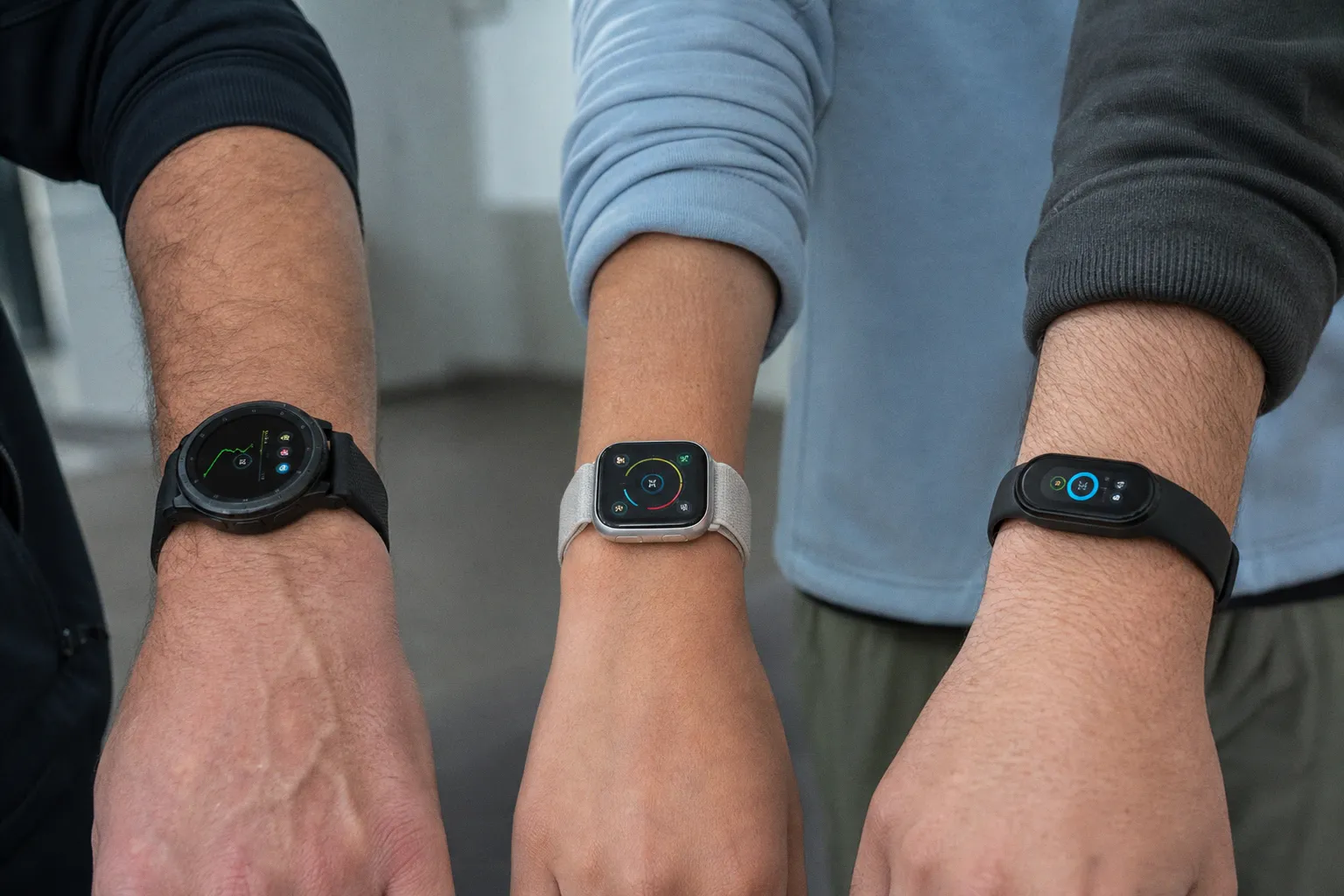
The Garmin Vivoactive 6 sits at the top of the value curve. It captures health, sleep, and activity outputs that the tester described as in-depth. Named features include Body Battery, workout recovery time, Garmin PacePro, and Garmin Coach running and strength plans. One non-metric feature flagged: workout animation, short silhouette videos that cue movement during Garmin Connect sessions. The usability deficit is Garmin Connect's app interface — the tester rated it less intuitive than Fitbit's or Apple's. A usability tax on a capable sensor stack.
The Fitbit Charge 6 functions as the lightweight entry. Captured signals: heart rate, steps, distance, activity, calorie burn, sleep. Omitted signals: cadence, stride length, ground contact time, vertical oscillation. For runners tracking running economy, those omissions are load-bearing. New additions per the tester: Google Wallet, Google Maps navigation, YouTube Music controls, and a left-side home button. The device cannot be switched off — ten minutes of inactivity triggers power-saver mode.
The Amazfit Active 2 occupies the value slot. Standout flagged: build quality. Deficit flagged: software refinement.
Trade-offs that matter at the loading dock
A tracker is a sensor calibrated against a training variable. Mismatched, and the data is noise. Match three common profiles:
Recovery-focused athletes. Prioritize Body Battery and workout recovery time. The Vivoactive 6's outputs make it the rational mid-tier buy over the Charge 6, which lacks comparable recovery signaling.
Running volume builders. Prioritize cadence and ground contact. The Charge 6 omits these biomechanical metrics. The Vivoactive 6 includes them via PacePro. Choose accordingly.
Budget-constrained generalists. Prioritize hardware durability over software polish. The Amazfit Active 2 reflects that tradeoff at its listed price point.
A separate July 8 BoxLife Magazine headline framed a tracker as potentially life-saving hardware, noting use by elite athletes including Ronaldo and an England World Cup squad. The article body was not accessible in our feed — treat the claim as headline-level only, not as verified clinical performance.
BarBend's home gym roundup ran July 6 testing strength equipment for recreational lifters. Different category, identical purchasing logic: rank by the variable you intend to manipulate, not by the feature list the marketer emphasizes.