Top Trainers Are Becoming Longevity Coaches, Not Just Workout Experts
A trainer who only counts reps is losing mechanical relevance. Athletech News reports that top personal trainers are shifting toward longevity coaching, with a new NASM report framing the change…
Duncan Reed·updated July 02, 2026
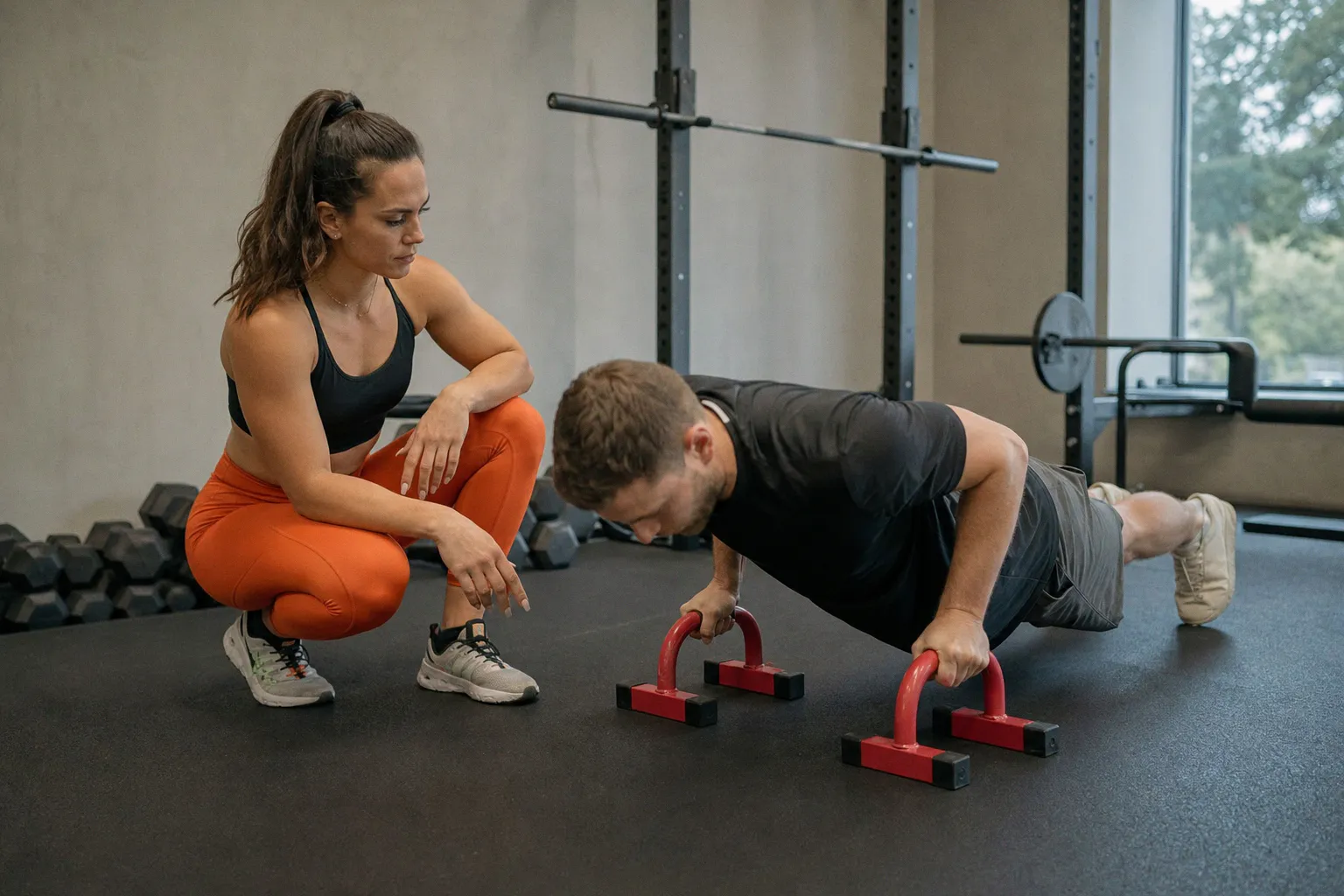
A trainer who only counts reps is losing mechanical relevance. Athletech News reports that top personal trainers are shifting toward longevity coaching, with a new NASM report framing the change around three pressures: longevity, artificial intelligence, and GLP-1 medications. For recreational athletes, the signal is practical. The value of coaching is moving from “hard session delivery” to load management, tissue capacity, nutrition support, and long-term movement retention.
Longevity is becoming the client brief
According to the report cited by Athletech News, NASM compiled data from 1,133 active personal trainers across the U.S. A large majority of trainers — 88% — said longevity has become their clients’ top priority.
That changes the training problem.
A longevity client is not only asking for higher force production this quarter. They are asking whether the hip, spine, knee, tendon, and shoulder can keep tolerating force across decades. The useful coach now has to sequence stress. Heavy lifting still matters. Mobility still matters. Conditioning still matters. The constraint is dose.
The report describes younger clients, including people in their 20s and 30s, telling trainers they want to lift heavy and maintain mobility into later decades. That is a different brief from short-term physique work. It requires fewer random workouts and more repeatable exposure: squat patterns, hinge patterns, loaded carries, upper-body pulling, rotation control, and joint-specific range work.
This does not make training softer. It makes it more measurable. If a program increases load while degrading kinematics, the program is borrowing from future capacity. If a program preserves positions under fatigue, it is building usable reserve.
AI and wearables are changing the trainer’s job, not removing the need for judgment
The same report says 45% of millennial trainers use AI weekly, while 44% fear the threat it poses to their careers. Among Gen Z trainers, 18% fear being replaced by AI tools. Athletech News also reports that 43% of trainers use wearables, and about a third are creating fitness content on social media.
The useful distinction is simple. AI can assemble sessions. It cannot observe how an ankle collapses under a split squat, how bar speed changes on set four, or how sleep debt shows up as poor bracing and slower recovery. Wearables can flag signals. They do not decide whether the athlete needs reduced volume, lower intensity, or a movement substitution.
For an amateur athlete, this matters when choosing a coach. The question is no longer whether the trainer can produce a workout. A phone can do that. The question is whether the trainer can interpret response.
Good coaching now looks like pattern recognition: persistent soreness after eccentric loading, asymmetry under unilateral work, grip fatigue limiting hinge volume, conditioning that interferes with strength output, or a mobility drill that fails to transfer into the lift it is supposed to support.
The market is also rewarding broader systems. Athletech News reports that NASM identified a premium for trainers who offer behavioral psychology, accountability, specialized guidance, and support beyond the session. Top earners above $100,000 annually were described as building diversified businesses with in-person coaching, virtual support, specialized expertise, and recurring revenue.
That is a business detail, but it has training consequences. The session is no longer the whole product. The week is the product. Recovery, nutrition, adherence, and progression sit inside it.
GLP-1 use puts muscle preservation back in the center
NASM’s report, as summarized by Athletech News, says 73% of personal trainers are working with clients who use or ask about GLP-1 medications. The article also notes that nutrition remains a major subject for trainers, and that coaches are educating themselves on strength training and protein intake to help preserve muscle while clients use these medications.
The mechanical issue is lean mass. If body mass changes without enough resistance training, the athlete may lose force capacity along with weight. That can reduce performance, joint tolerance, and basic movement reserve.
A trainer working with this population needs a conservative strength structure. No theatrics. No metabolic punishment layered onto low intake. The priority is progressive resistance training, adequate protein discussion within scope, and close monitoring of fatigue. Medical decisions stay with qualified clinicians. Training decisions still need precision.
MSN also reports, in a separate headline, that experts say muscle growth is possible with fewer, focused workouts. With only the headline available, the safe application is narrow: session count is not the primary variable. Focus, progression, and recovery determine adaptation. More work is not automatically better work.
A practical protocol follows.
Run two to four resistance sessions per week, depending on recovery. Keep the main lifts stable for several weeks. Track load, reps, range of motion, and technical failure points. Add mobility where it improves a specific lift or gait pattern, not as filler. Use conditioning to support work capacity without compromising strength sessions. Review body weight changes, appetite, soreness, sleep, and performance weekly.
If a trainer cannot explain why a load changed, why an exercise stayed, or why volume was reduced, they are still selling workouts. The better model is narrower and more useful: manage stress, preserve tissue, maintain movement options, and make strength durable.