People Who Use GLP-1s Are Exercising Less, Study Finds
Daily step counts dropped from 5,047 to 4,487 in adults starting GLP-1 medications, according to NIH All of Us data analyzed by researchers. Moderate-to-vigorous activity fell from 28 to 22 minutes per day.
Duncan Reed·updated July 06, 2026
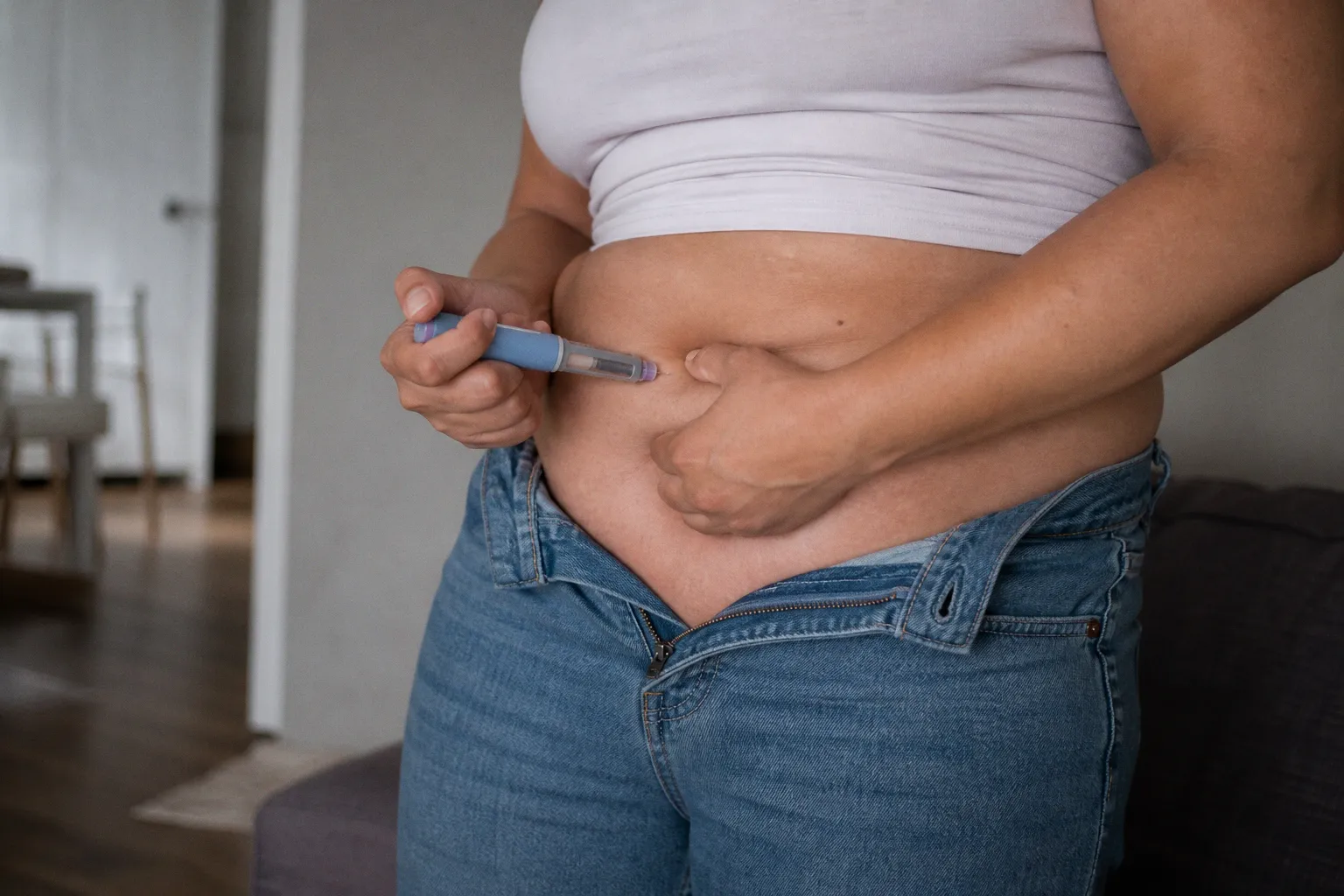
The movement deficit, measured
The study covered 753 adults with obesity — average age 52.7 — who began a GLP-1 prescription and carried sufficient wearable data for analysis. Fitbit records paired with electronic health records through the All of Us Research Program. Result: a consistent downward shift in total movement. No subgroup showed offsetting increases in voluntary exercise output.
Lead author Dr. Sajana Maharjan stated it directly. Exercise cannot be optional for patients on these medications. The assumption that a lighter body moves more is unsupported by the data.
Why lean mass is the lever
GLP-1s produce rapid fat loss. They also produce rapid fat-free mass loss when paired only with caloric restriction and no resistance load. For the recreational athlete or any trainee preserving function, this trade-off is the central variable — not the scale reading. Skeletal muscle drives force production, joint stabilization, and resting metabolic rate. Lose it under a deficit and recovery capacity drops. Movement economy drops. Injury tolerance drops.
International bodies from the U.S., U.K., Australia, New Zealand, and Canada recently released a white paper reinforcing the role of strength training alongside these medications. The framing is structural. Maintain force-generating tissue while the deficit is acute.
A loading protocol for the prescription
Three protocols hold up under this data.
First, protein intake stays elevated through the deficit. Standard strength-athlete guidance applies — leucine threshold per meal, distribution across the day. This is the lever that determines whether mass lost is fat or functional tissue.
Second, regular resistance sessions covering the major kinematic chains. Squat pattern, hinge pattern, push pattern, pull pattern. Working sets at loads heavy enough to produce mechanical tension. Goal: force production, not metabolic fatigue.
Third, step count is monitored but not chased. The 4,487 figure from the study is a diagnostic marker, not a prescription. Walking supports recovery between loading sessions. It does not replace them.
Track lean mass through the early weeks on medication. Body composition, grip strength, and a compound lift single-rep max will register the deficit before the mirror does.