The Future of Strength Isn't Just Strength
Strength training is being repositioned as one component in a larger performance system. Athletech News reports a consumer shift: strength is now being paired with mobility, recovery, and longevity goals rather than treated as a standalone target.
Duncan Reed·updated July 02, 2026
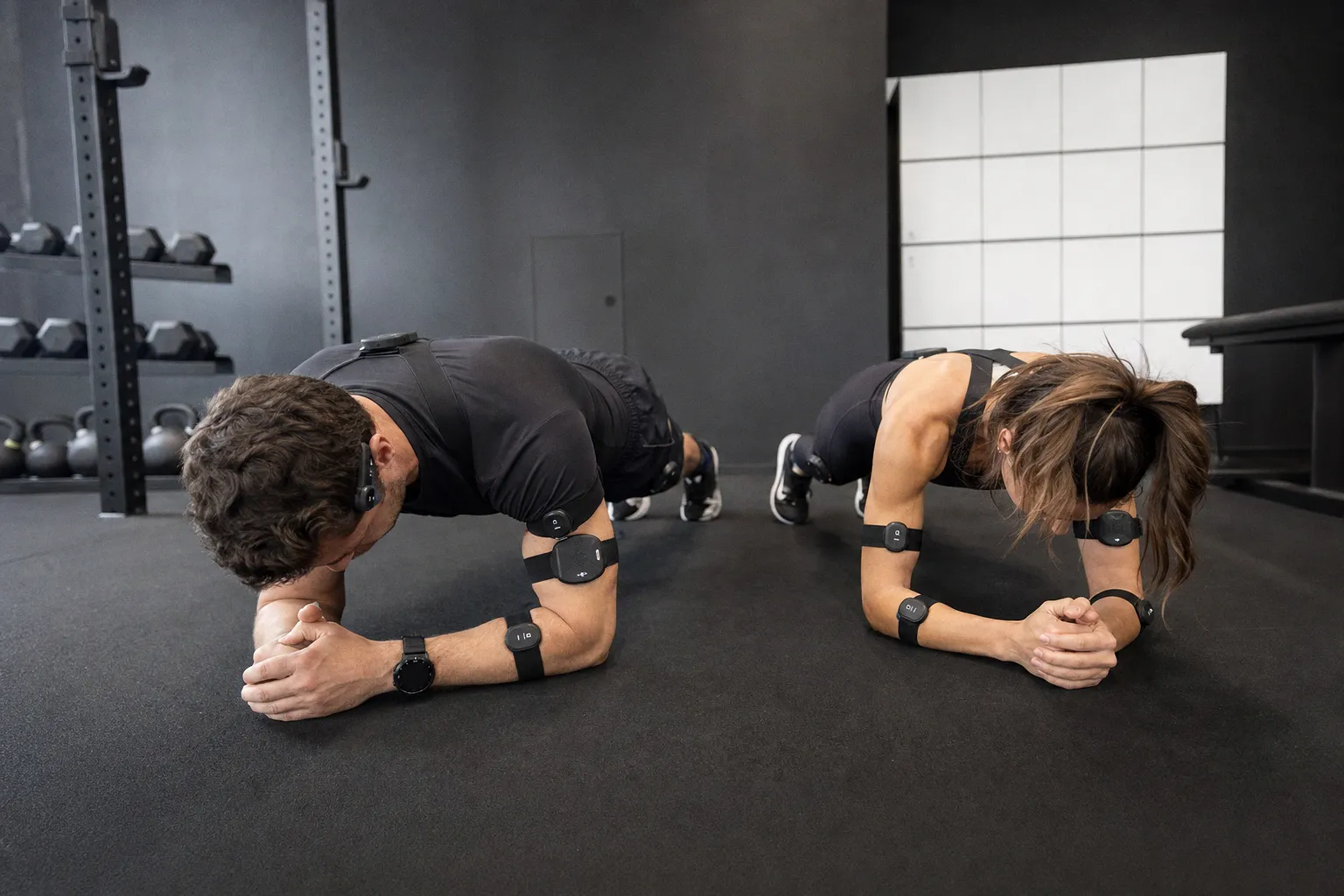
Strength is no longer the whole metric
The old model was simple: lift more, get stronger, repeat. The newer market language is less narrow. Athletech News describes consumers judging training by daily function: energy during the workday, sleep quality, stress resilience, and recovery capacity after demanding weeks.
That does not make strength secondary. It changes the job description.
A stronger athlete with poor movement options has a smaller usable range. A stronger athlete who cannot recover is not adapting; they are accumulating fatigue. A stronger athlete who moves well only inside the gym still has a transfer problem.
This is the useful part of the industry shift. It frames strength as output, not identity. Load on the bar is one data point. The rest of the system determines whether that output can be repeated, absorbed, and used.
For amateur training, that means the program cannot be built from strength work alone. It needs mobility to preserve positions. It needs recovery to manage tissue stress. It needs enough continuity to support long-term function, not just a short training block.
The market is moving toward integrated training
The same cluster points in that direction from several angles. Athletech News reports that wellness brands are increasingly packaging strength, movement, mobility, recovery, and longevity as connected priorities. MSN’s item points to smart resistance training that can be used anywhere. AOL reports that LiftTrack has launched an AI-powered strength training platform for Garmin users.
The details are thin in the RSS material for the MSN and AOL items, so the technical claims should stay narrow. The confirmed signal is not that any one product solves programming. It is that strength training is being pulled into broader systems: wearables, smart resistance, recovery services, and mobility-focused brands.
That matters because amateurs often copy the visible part of elite training: heavy work, dense sessions, and frequent testing. They miss the control systems. Load management. Movement quality. Recovery status. Long-term tissue tolerance.
Technology may make tracking easier. It does not remove the need for judgment. A platform can record work. A device can structure resistance. Neither changes the basic mechanics: if the athlete cannot maintain positions under load, force leaks. If recovery is inadequate, performance decays. If mobility is ignored, exercise selection narrows.
The practical filter: train the system, not the lift
A useful strength plan now needs four checks.
First: force production. The athlete still needs progressive resistance. Without sufficient load, the training signal is weak.
Second: kinematics. The lift must occur through positions the athlete can control. Range without control is not useful. Load without range is limited.
Third: recovery capacity. Training only works if the athlete can return to productive work. Sleep disruption, persistent soreness, and falling output are not badges. They are feedback.
Fourth: transfer to daily function. The program should support the things the athlete actually does: work, travel, recreational sport, parenting, and repeated training weeks. Athletech News quotes the idea directly through the market lens: consumers are asking whether fitness helps them feel and function better in the parts of life that matter.
The protocol is simple.
Keep strength as the anchor. Pair each strength block with mobility work that supports the loaded positions being trained. Treat recovery as part of the plan, not a reaction after fatigue appears. Use smart tools or wearable-linked platforms only if they improve consistency, load tracking, or decision-making.
Do not replace coaching logic with product categories. Strength is still strength. It just fails faster when the surrounding system is ignored.