FSU Sports Scientist Shares Keys to Staying Fit in Your 40s
You may recognize the feeling: the workout that used to leave you pleasantly tired now hangs around in your legs for two days, or the same lifting plan suddenly feels a little louder in the knees and shoulders.
Elaine Summers·updated July 09, 2026
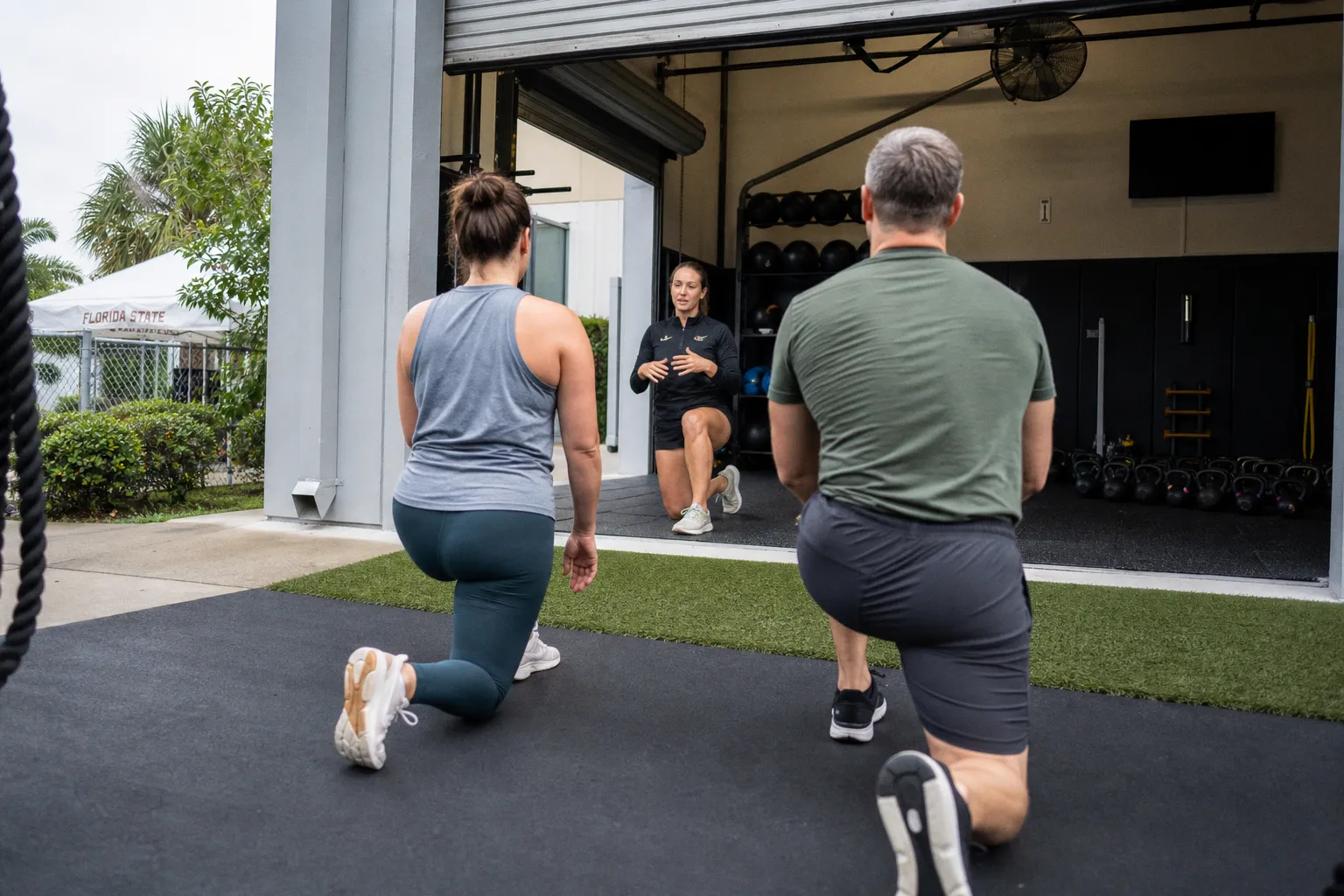
The message from FSU: don’t train harder, recover better
Ormsbee’s central point is reassuringly practical. According to FSU, he does not argue that people over 40 need a completely different approach to fitness. Instead, he says they need to be “a little smarter” about how they apply the same fundamentals.
That is a useful correction to a common midlife training reflex. When performance dips, many of us try to push harder: more intervals, heavier sessions, fewer rest days, less patience. Ormsbee’s view is almost the opposite. He says many people in their 40s are not overtrained so much as under-recovered.
In plain training language, exercise is the signal; recovery is where the tissues actually remodel. Muscle, tendon, bone, and the nervous system all need enough resources to respond to the work. If sleep is short, protein is inconsistent, stress is high, and every session is treated like a test, tissue tolerance can start to lag behind ambition.
That does not mean easing into a soft, cautious version of training. It means listening to the joint, the muscle, and the next-day response with a bit more literacy. If your body is adapting, you generally see steadier energy, repeatable sessions, and soreness that resolves. If it is not, the answer may not be a more punishing block; it may be a better-supported one.
Strength, aerobic fitness, protein, sleep: the unglamorous pillars still stand
FSU’s report points to natural biological changes that can affect muscle mass, metabolism, and other aspects of fitness as people enter their 40s. It also cites a large Swedish study that followed participants for nearly 50 years and found that fitness, strength, and muscle endurance begin declining around age 35. Importantly, the same study found that adults who became active later in life improved physical performance by 10%.
For everyday athletes, that is the part worth holding onto. The story is not “decline is inevitable, so lower your expectations.” It is closer to: adaptation remains available, but the margin for sloppy habits gets smaller.
Ormsbee highlights familiar basics: strength training remains one of the best things to do; aerobic fitness remains important; protein still matters; sleep is still “king.” He also points to eating enough calories and protein, staying hydrated, planning recovery weeks when needed, continuing to move on off days, and managing stress.
This is where we can translate the advice into the week you actually live in. Strength work “a few times each week,” as Ormsbee puts it, does not have to look like competitive lifting. It can mean keeping the major movement patterns alive — pushing, pulling, squatting, hinging, carrying — at a dose your body can repeat. Aerobic work does not need to become a second job either. It needs to be consistent enough to support the engine that helps you recover between sessions and handle daily life with less strain.
And protein is not magic dust; it is simply one of the raw materials the body uses to repair and build. If training is the request, food and sleep are part of the answer.
Why this fits the bigger recovery conversation
The timing is notable because recovery and performance nutrition are becoming bigger public topics, not just locker-room talk. NutraIngredients reports that the Sports & Active Nutrition Summit Europe is scheduled for November 9, 2026, in London, with themes including fueling performance, reconsidering recovery, and weight management. Sporting Goods Intelligence Europe also reports that Strava has launched a Stanford sports science collaboration, though the available snippet does not provide further detail.
That broader attention can be useful — as long as we do not let it distract us from the base layer. Recovery gadgets, apps, and wearables can help some athletes notice patterns, and consumer tech will keep moving quickly, from training devices to future iPhone plans. But Ormsbee’s message is a good guardrail: the biggest wins are still sleep, enough food, hydration, sensible recovery weeks, and training that you can sustain.
If you are in your 40s and trying to stay fit, the practical takeaway is not to become timid. Keep lifting. Keep building aerobic capacity. Keep eating to support the work. But give your body the conditions to answer back. Long-term fitness is less about proving you can survive one heroic session and more about stacking enough well-recovered weeks that your joints, muscles, and energy systems still trust the plan.