Beetroot Juice for Sports Nutrition: New Meta-Analysis Explores Efficacy for Performance Enhancement
A new meta-analysis, surfaced this week by Nutritional Outlook, is asking the question the beetroot-industrial complex has been dodging for years: does beetroot juice actually move the needle on…
Nelson Gould·updated July 05, 2026
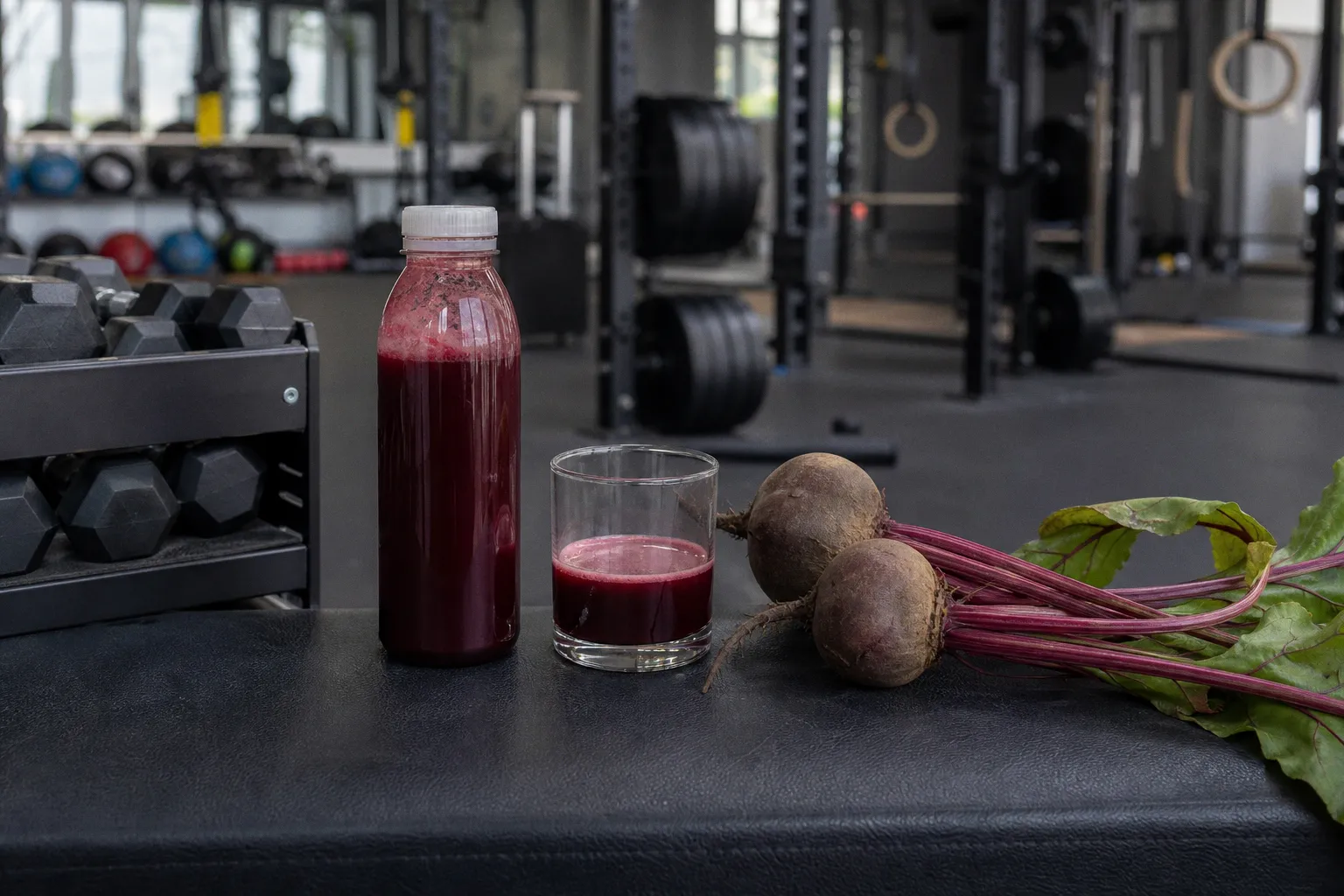
A new meta-analysis, surfaced this week by Nutritional Outlook, is asking the question the beetroot-industrial complex has been dodging for years: does beetroot juice actually move the needle on performance, or is it just another entry in the long scroll of pre-workout mythology?
I'm not holding my breath for a confession. But the fact that someone finally bothered to stack the studies is worth noting.
What's being examined
Nutritional Outlook reports the meta-analysis examines the efficacy of beetroot juice specifically for sports nutrition and performance enhancement. That's the extent of what the outlet has published so far — no sample sizes, no populations, no effect sizes, just the premise that someone, somewhere, thought this needed a proper review.
For those who haven't been inside a gym locker room recently: beetroot juice has been sold as a "natural" nitrate delivery system, promising improved blood flow, better endurance, and a vaguely defined pump. The marketing usually arrives in a sleek bottle with a price tag that would make a beet farmer blush.
What the biology actually says
Here's the baseline. Beets contain dietary nitrate, which the body converts to nitric oxide — a compound that does, in fact, influence vasodilation and the delivery of oxygen to working muscle. That part isn't marketing, that's physiology. The question was never whether the mechanism exists; it's whether drinking beet juice produces a meaningful, repeatable effect in actual humans doing actual work.
Past literature on nitrate supplementation has shown modest benefits in some endurance contexts, mostly in non-elite or untrained populations. But "modest" in a controlled lab setting has a nasty habit of evaporating once you factor in real training conditions, where sleep, hydration, and carbohydrate adequacy are doing the heavy lifting anyway.
I'm not saying beet juice is useless. I'm saying its value is dwarfed by sufficiency in the boring basics — total calories, enough carbs before sessions, adequate protein for recovery, and a training plan that isn't a random assortment of Instagram workouts.
What to actually do
Nothing yet. Wait for the full meta-analysis to surface, read who was studied, what doses were used, and which outcomes actually moved. Until then, treating beetroot juice as a performance linchpin is just expensive marketing dressed up as nutrition.
If you like beets, eat beets. They're a fine carbohydrate source with decent micronutrient density, and you can buy a kilo for the price of one of those neon shots. If you're chasing a measurable edge, audit your training week before you audit the juice aisle. The supplements aren't going to rescue a bad plan.