How does yoga support athletic performance and athlete well-being?
A 2020 trial put collegiate athletes through two yoga sessions per week for ten weeks. Balance and flexibility scores moved.
Duncan Reed·updated July 04, 2026
The mechanical substrate
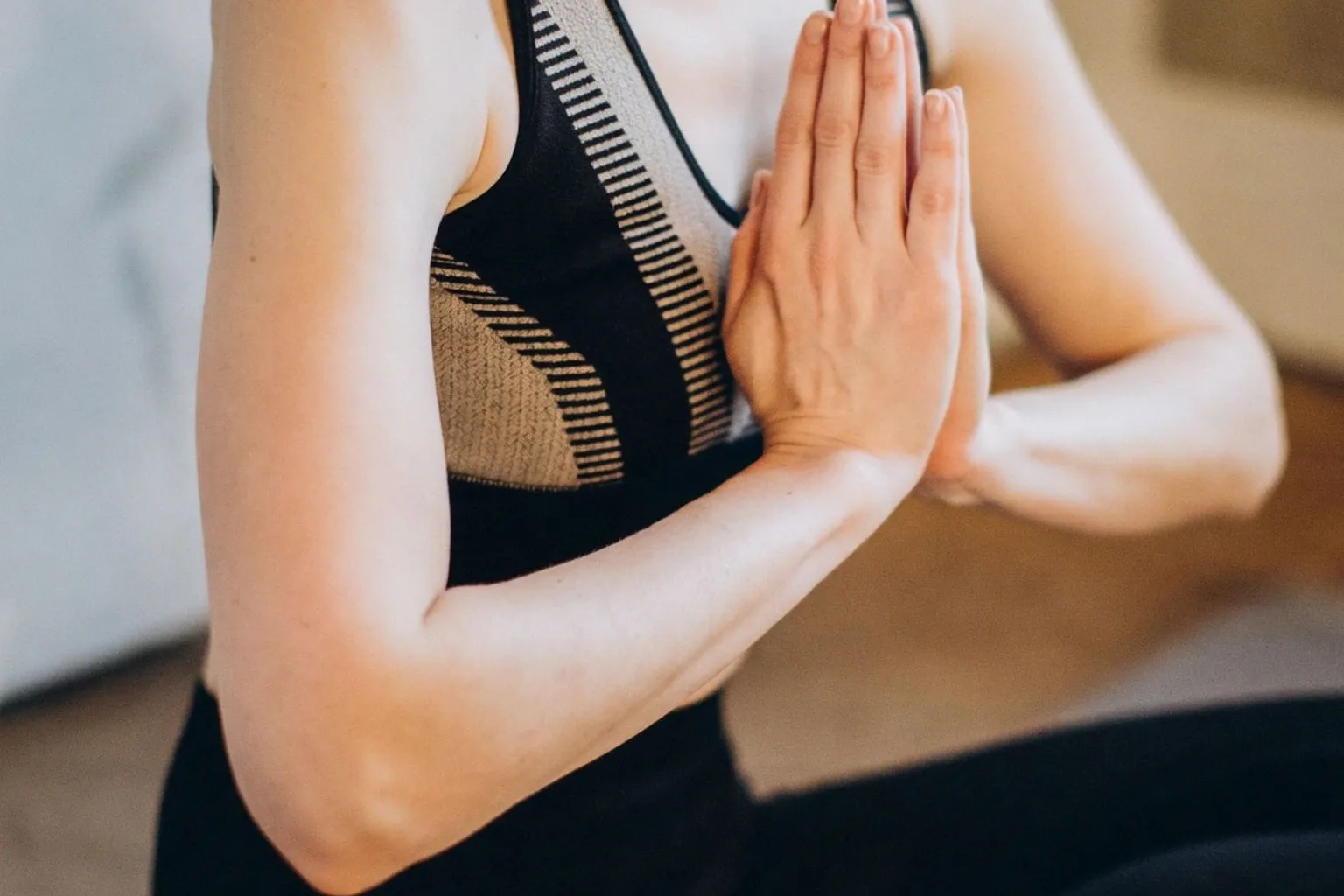
The 2020 study, published in the Journal of Sports Science and Medicine, forms the review's central data point. Collegiate athletes assigned to yoga twice weekly for ten weeks showed significant improvements in balance and flexibility versus a control group. The mechanism is mechanical. Sustained end-range loading increases tissue extensibility. Repeated exposure to unstable positions refines the sensorimotor feedback loop that governs postural control.
Proprioceptive gains translate directly into injury outcomes. Research with professional basketball players found practitioners logged fewer overuse injuries across a season than non-practitioners. Better movement patterning distributes load across tissue structures. Cumulative microtrauma—the primary driver of soft-tissue breakdown in repetitive-sport athletes—decreases proportionally.
For related context, see Ishaan Khatter appears across TV and CTV, Rohit Sharma leads sports celebrity ads in.
Respiratory and neurological levers
Pranayama protocols shift respiratory mechanics. Endurance cohorts practicing specific yoga breathing techniques recorded improved VO2 max and reduced recovery time between training sessions. Increased tidal volume efficiency lowers the metabolic cost of each breath cycle. Parasympathetic activation shortens the return to baseline between efforts.
The neurological layer runs in parallel. Mindfulness components reduce cortisol output and improve emotional regulation under competitive load. Athletes who suppress fewer internal states operate closer to their task-specific optimal activation zone. Sleep architecture responds as well. Consistent practice correlates with improved sleep quality, and recovery is not passive—slow-wave sleep clears metabolic byproducts and consolidates motor learning. Fragmented sleep degrades adaptation regardless of training volume.
A usable protocol
Two sessions weekly. Ten-week minimum to replicate the balance and flexibility data. Breath-driven movement qualifies; named poses do not. Track three variables in your training log: balance test score, hamstring range of motion, subjective sleep quality on a 1–5 scale.
If flexibility scores plateau by week six, add load. Hold isometric contractions in end-range positions. Range without strength is unstable range—it buckles under force production.
Yoga functions as a low-cost adjunct to standard strength and conditioning work. It addresses the variables recreational athletes most consistently neglect: tissue quality, neuromuscular control, recovery architecture. Dose it. Measure the outputs. Adjust the inputs.