From Sports Performance to Healthy Aging, Creatine Finds New Momentum
Creatine is getting another turn in the spotlight, this time with the frame widened beyond sports performance into “healthy aging,” according to a Nutritional Outlook item headlined “From Sports…
Nelson Gould·updated July 14, 2026
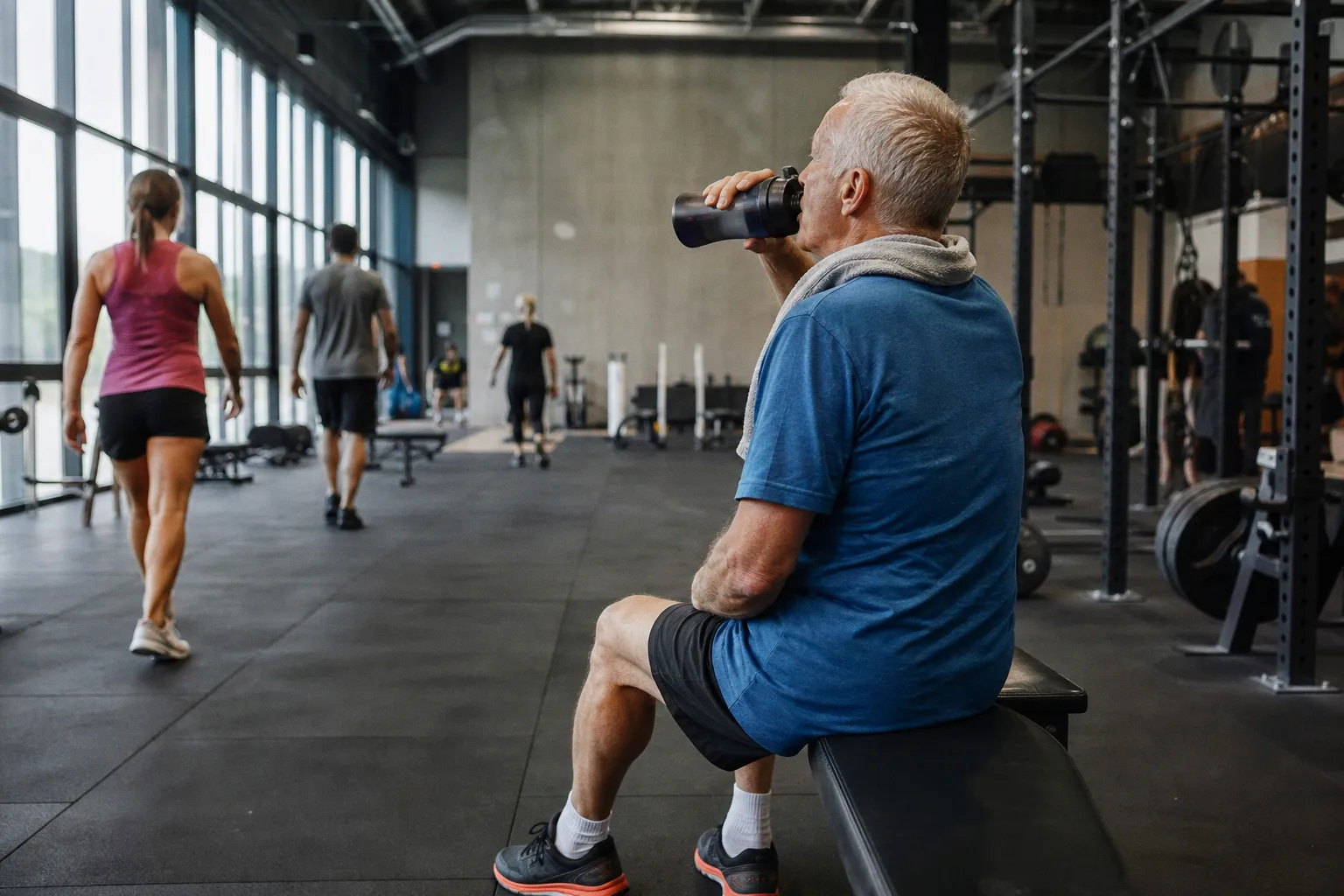
Creatine is getting another turn in the spotlight, this time with the frame widened beyond sports performance into “healthy aging,” according to a Nutritional Outlook item headlined “From Sports Performance to Healthy Aging, Creatine Finds New Momentum.” That wording matters for everyday athletes because it is exactly how a familiar training supplement becomes a broader wellness product: first performance, then longevity, then marketing departments discover adjectives. I’m not against creatine; I’m against pretending a headline is the same thing as a training plan.
The story is momentum, not proof
The confirmed detail here is narrow: Nutritional Outlook is presenting creatine as a category with new momentum, spanning sports performance and healthy aging. That is not the same as a new trial result, a new dosing standard, or a fresh consensus statement. The available snippet does not provide those details, so we should not invent them.
For recreational athletes, the useful takeaway is not “everyone needs creatine now.” It is that creatine has moved from a niche gym-shelf association into a wider nutrition conversation. When that happens, the claims around a product usually become less precise. “Performance” is already a broad word; “healthy aging” is broader still. Broad claims sell well because they leave room for almost everyone to imagine themselves as the target customer.
That does not make the ingredient meaningless. It does mean you should read any new creatine pitch with the same dull but effective filter: What outcome is being claimed? For whom? Under what training conditions? Compared with what baseline? If the answer is mostly mood lighting and category language, you are looking at marketing, not coaching.
What amateur athletes should watch
The shift from sports performance to aging also changes the audience. A sprinter, a lifter, a weekend cyclist, and someone buying a supplement because “aging” sounds scary are not solving the same problem. One may be trying to support training output; another may be chasing a vague sense of insurance. The body does not care about the label on the tub. It responds to training stress, recovery, total diet, sleep, and consistency before it responds to a slogan.
This is where I want athletes to stay boring. Before asking whether creatine belongs in your routine, ask whether your routine has a routine. Are you training consistently enough to need marginal gains? Are you eating enough total food to support the work? Is protein intake at least handled with some adult-level regularity? Are recovery days real, or just hard sessions with a different playlist?
Supplement conversations often skip sufficiency because sufficiency is not glamorous. It is also where most recreational athletes leak performance. If your baseline is chaotic, adding a product with a stronger wellness narrative may simply give the chaos a receipt.
The hype will broaden; your criteria should narrow
A second item surfaced in the source cluster under the title “Sports Performance Investing: God’s Counterstrike Against Global Market Control.” There is no usable sports-nutrition detail in the snippet, and I would not build a fueling decision from that kind of signal. If anything, it illustrates the larger point: once “sports performance” becomes an investment and culture keyword, the noise floor rises.
So keep the criteria tight. Creatine may keep gaining attention across performance and healthy-aging channels, but your decision should be smaller and more practical: does it fit your sport, your diet, your training block, your medical context, and your tolerance for another daily habit? If those questions are unanswered, the category’s “momentum” is mostly someone else’s business story.
My blunt version: train first, eat enough, recover like you mean it, then consider supplements one at a time. Creatine can have a place in that conversation, but it does not get to replace the baseline. Marketing loves momentum; athletes should prefer evidence, consistency, and fewer magical nouns.