From collegiate athlete to sports performance pro: the student becomes the expert
A career arc that once ended with the cleats is now retooling for the lab coat. Exercise Science graduates stepping out of programs like the University of South Carolina enter the workforce as applied specialists, not generalists.
Duncan Reed·updated July 03, 2026
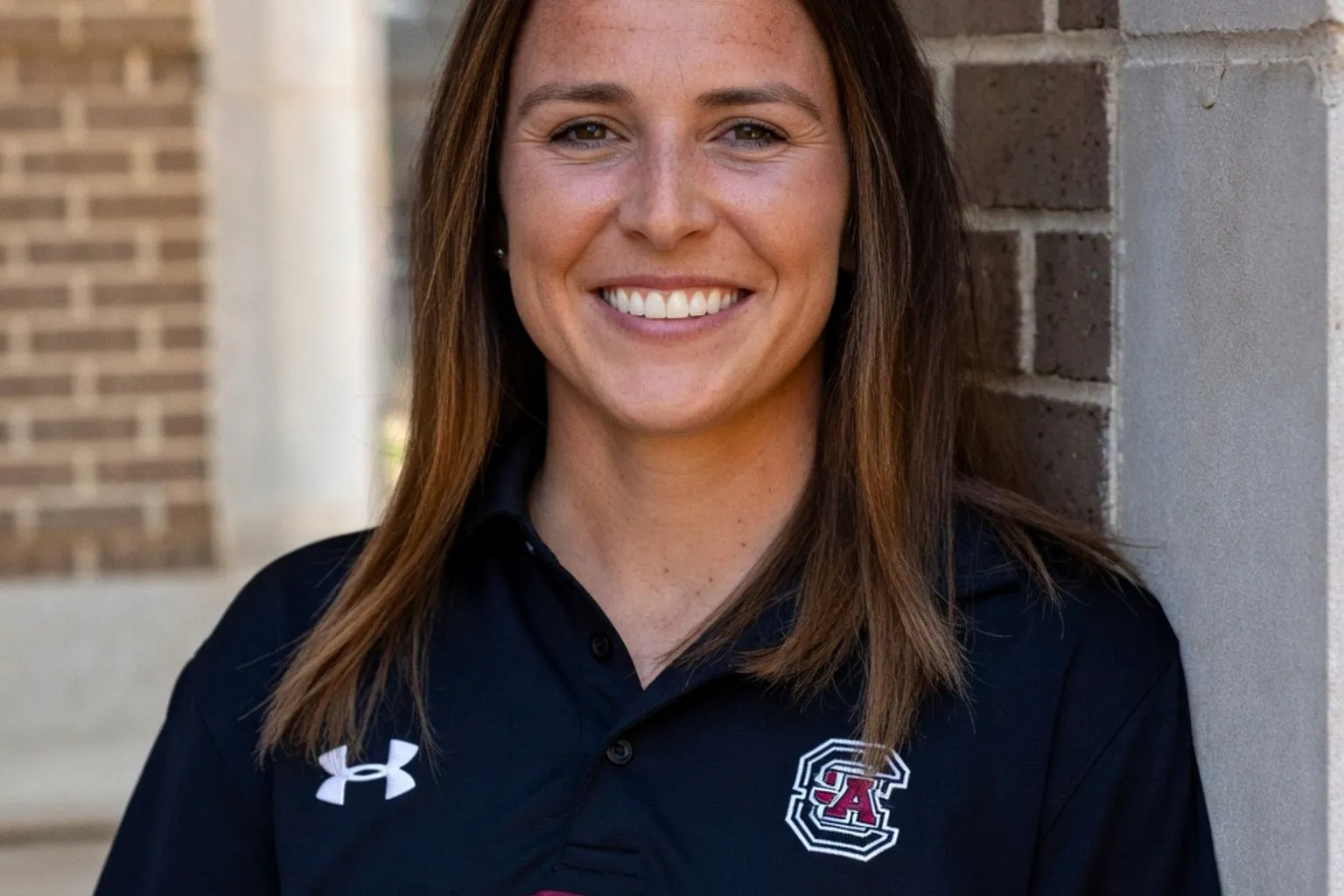
The degree, the practice
Exercise Science translates directly to force management in applied settings. Graduates move into gym floors, rehabilitation clinics, and performance centers. The work is mechanical: measure kinematic baselines, calibrate load, schedule exposure, retest. Scope covers athletes, youth, older adults, and individuals with disabilities. Job titles vary by environment. The underlying methodology does not. This is structural integration of training science into mainstream health and fitness delivery, not elite sport alone.
The institutional gap
Bangladesh, according to a Financial Express report, currently operates without a dedicated sports science university. Coaching at the BKSP, the country's premier sports training institute, depends largely on foreign qualifications. The publication argues that modern athletic preparation requires integrated expertise across psychology, nutrition, biomechanics, injury management, and data analytics. A seminar held at Rajshahi College convened academics, policymakers, and sports experts to discuss establishing a specialized institution. Rajshahi was cited as a candidate site based on land availability, transport connectivity, and student-friendly conditions. The framing: institutional capacity, not athletic talent, is the binding constraint.
What the amateur athlete gains
These stories sit at opposite ends of the same system. One country formalizes the credentialing pathway. Another debates building the apparatus that produces it. For the recreational lifter, endurance athlete, or weekend competitor, this is the upstream supply chain. More qualified practitioners mean better access to evidence-based load programming, objective kinematic screening, and structured return-to-play protocols grounded in physiology rather than folklore. Workforce density in any given region controls access quality. The amateur's next personal best depends less on willpower and more on the practitioners available to engineer the training plan. Watch local university programs and emerging sports science institutions. That infrastructure determines what training looks like at the ground level.