Why Plant-Based Post-Workout Meals May Hinder Muscle Protein Synthesis
According to findings reported by Nutrition Insight, meals built from plant-based whole foods — or nutritionally identical plant protein shakes — stimulated significantly lower muscle-protein…
Nelson Gould·updated July 22, 2026
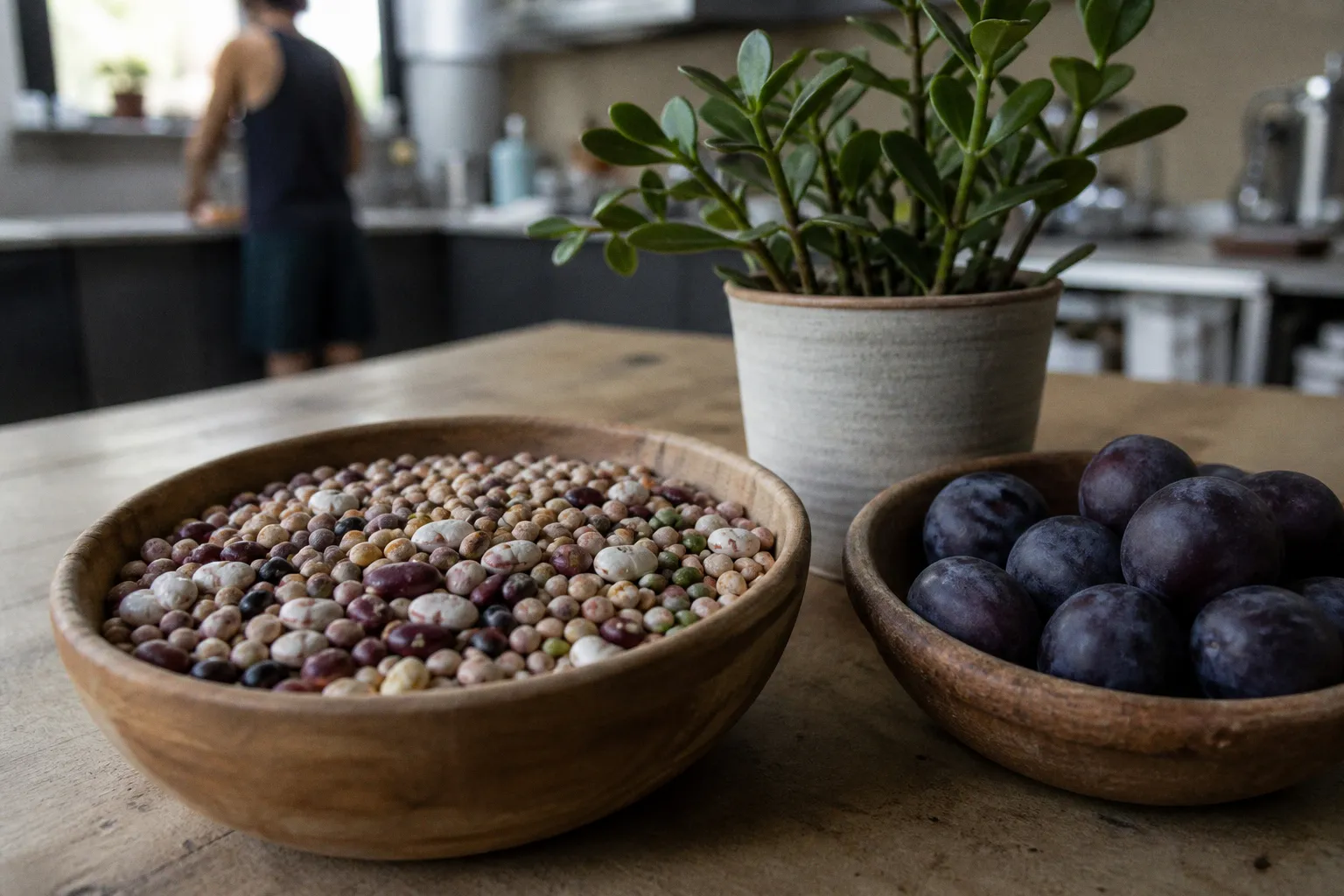
A new randomized controlled trial is making the rounds, and if you've been banking on rice and beans as your post-workout recovery fuel, you might want to recalibrate your assumptions. According to findings reported by Nutrition Insight, meals built from plant-based whole foods — or nutritionally identical plant protein shakes — stimulated significantly lower muscle-protein synthesis compared to an equivalent 20-gram dose of lean pork. The likely culprit isn't the protein quality on paper but the carbohydrate load that tags along, slowing amino acid absorption at the exact moment your muscles are primed to use them.
What the trial actually tested
Participants consumed one of three options immediately after weight training: a whole-food meal of rice and beans, a plant protein shake built from crystallized amino acids blended with maltodextrin, cellulose, pectin, and soy oil, or a straightforward portion of lean pork. Every option delivered exactly 20 grams of protein. The result: both plant-based options produced a measurably lower muscle-protein synthesis response than the pork. The study authors point to the high carbohydrate content in the plant-based meals as the probable mechanism — essentially, carbs competing with amino acids for absorption, bottlenecking the delivery your post-workout window is supposed to optimize.
Now, I want to be precise here. The plant-based group wasn't getting zero response — they were getting a lower one. That distinction matters. The sky isn't falling for plant-based athletes, but the data does puncture the popular claim that a gram of protein is a gram of protein, full stop. It isn't. The vehicle matters.
Why this matters if you train on a plant-forward diet
If your default post-workout plate is rice and beans — the classic complete amino acid combo for plant eaters — you're likely diluting the anabolic signal you're training so hard to create. Not because the protein is deficient, but because the surrounding carbohydrate matrix slows things down at precisely the wrong moment.
The practical adjustment isn't dramatic and doesn't require buying anything. Consider isolating your protein source from the carb load. Eat a faster-digesting protein option right after training — a plant-based shake with minimal filler, or if your ethics allow it, dairy or egg — and save the whole-food bowl for a meal that isn't racing against your recovery window. Baseline protein sufficiency still matters more than timing, but if you're already hitting your daily number, there's no reason to sabotage absorption with a poorly structured post-workout meal.
Don't let the label think for you
The fitness industry loves clean binaries: plant versus animal, whole food versus processed, "clean" eating versus whatever the opposite is supposed to be. Physiology doesn't care about your dietary identity. It cares about amino acid availability at the right time and in the right amount. That's the baseline.
Meanwhile, money continues to pour into sports nutrition — venture capital is increasingly betting on the next big sports start-up — which means more marketing claims headed your way, not fewer. Every new product launch will tell you it's the answer. Most of them are selling convenience wrapped in language designed to sound like science.
Stay skeptical. Hit your protein sufficiency. Structure your post-workout meal so the carbs don't hijack the amino acids. And when someone tells you their shake is "equivalent to whole food," ask them equivalent in what context — because this study just gave you a pretty specific answer.