Managing Internal Load and Fatigue in Cross-Country Skiing Summer Training
According to data published in The Journal of Strength & Conditioning Research, internal training load in male cross-country skiers showed a distinct pattern during summer training: it decreased…
Duncan Reed·updated July 20, 2026
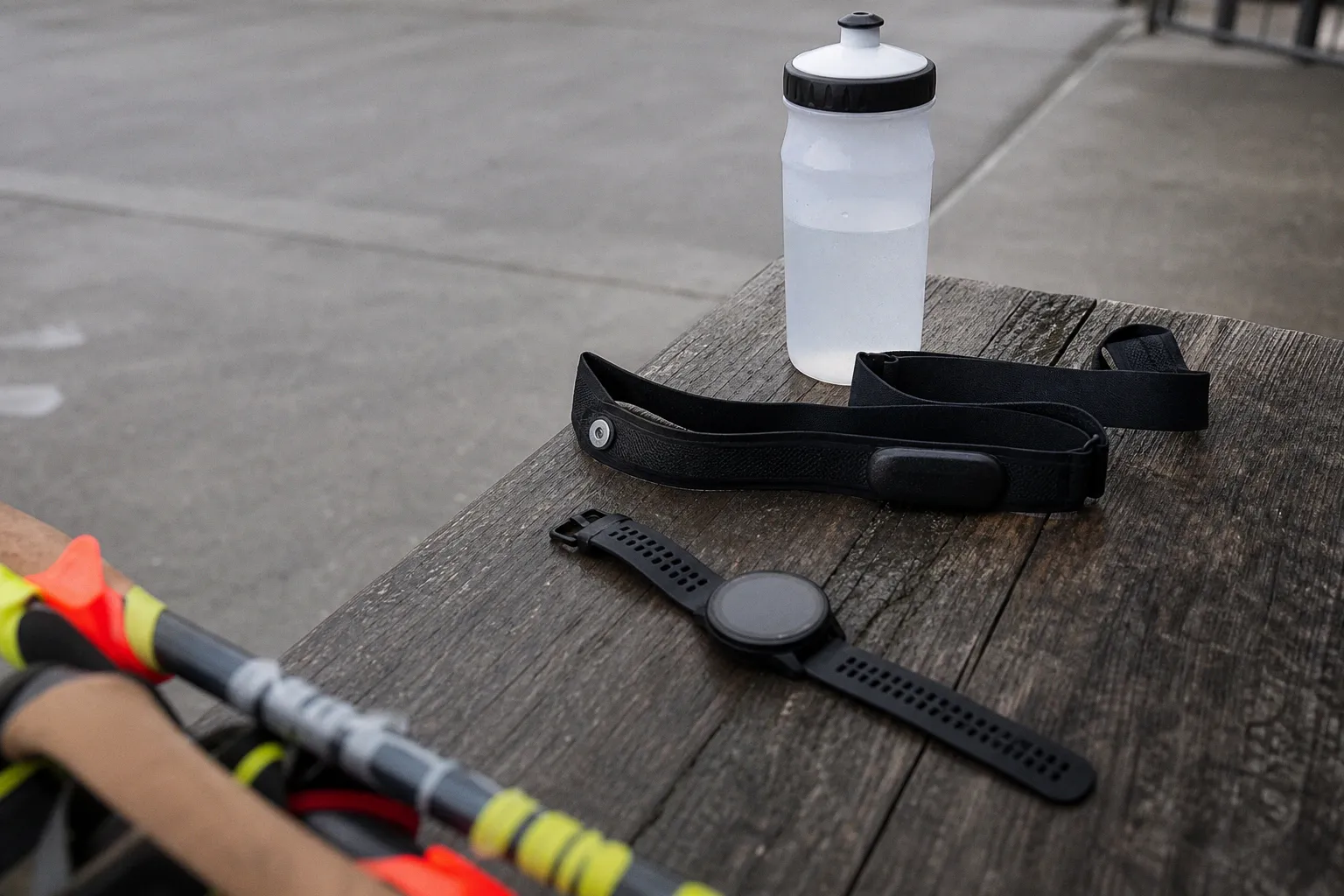
According to data published in The Journal of Strength & Conditioning Research, internal training load in male cross-country skiers showed a distinct pattern during summer training: it decreased progressively over a three-week period, yet spiked significantly during competition-focused sessions compared to routine workouts. For the everyday athlete managing training phases, this highlights a clear, measurable disconnect between prescribed and actual physiological strain.
The Data: Load Decreased, Except When It Didn’t
The study’s core finding is a progressive decline in internal load metrics across the observed training block. This suggests a period of physiological adaptation or a programmed taper. However, the critical variable was the session type. Competition simulations bucked the trend, imposing a significantly higher internal load than standard training. This confirms that intensity is not a simple linear variable; its impact on the system is heavily modulated by context and psychological arousal.
Applying the Principle: Context Dictates Cost
For the recreational athlete, the takeaway isn’t about mimicking a skier’s summer plan. It’s about recognizing that internal load—the body’s actual response to stress—is the variable that matters, not just the external work done. A high-stakes event, a time trial, or a lift to failure in the gym will generate a disproportionate physiological cost relative to its duration. This must be factored into recovery planning. A hard interval session requires more deliberate load management in the following days than its metrics alone might suggest.
Protocol: Monitor the Delta
Stop equating session RPE with its true systemic impact. Implement a simple tracking method: note session RPE and duration for standard workouts. Then, for any session where competition, testing, or a personal best attempt is a factor, tag it separately. Observe your recovery markers—sleep quality, next-day motivation, grip strength—in the 48 hours following these high-context sessions versus regular ones. The data will likely show a larger performance decrement and required recovery window. Adjust your subsequent training accordingly, using the competition-day RPE as a multiplier for planned rest, not as a standalone metric.