Beyond the Hype: How to Evaluate Sports Supplements Using Science
According to NutraIngredients’ round-up of recent research on women’s sports supplements, the useful question is not “Which five products work?” but “What problem are you actually trying to solve?”…
Nelson Gould·updated July 25, 2026
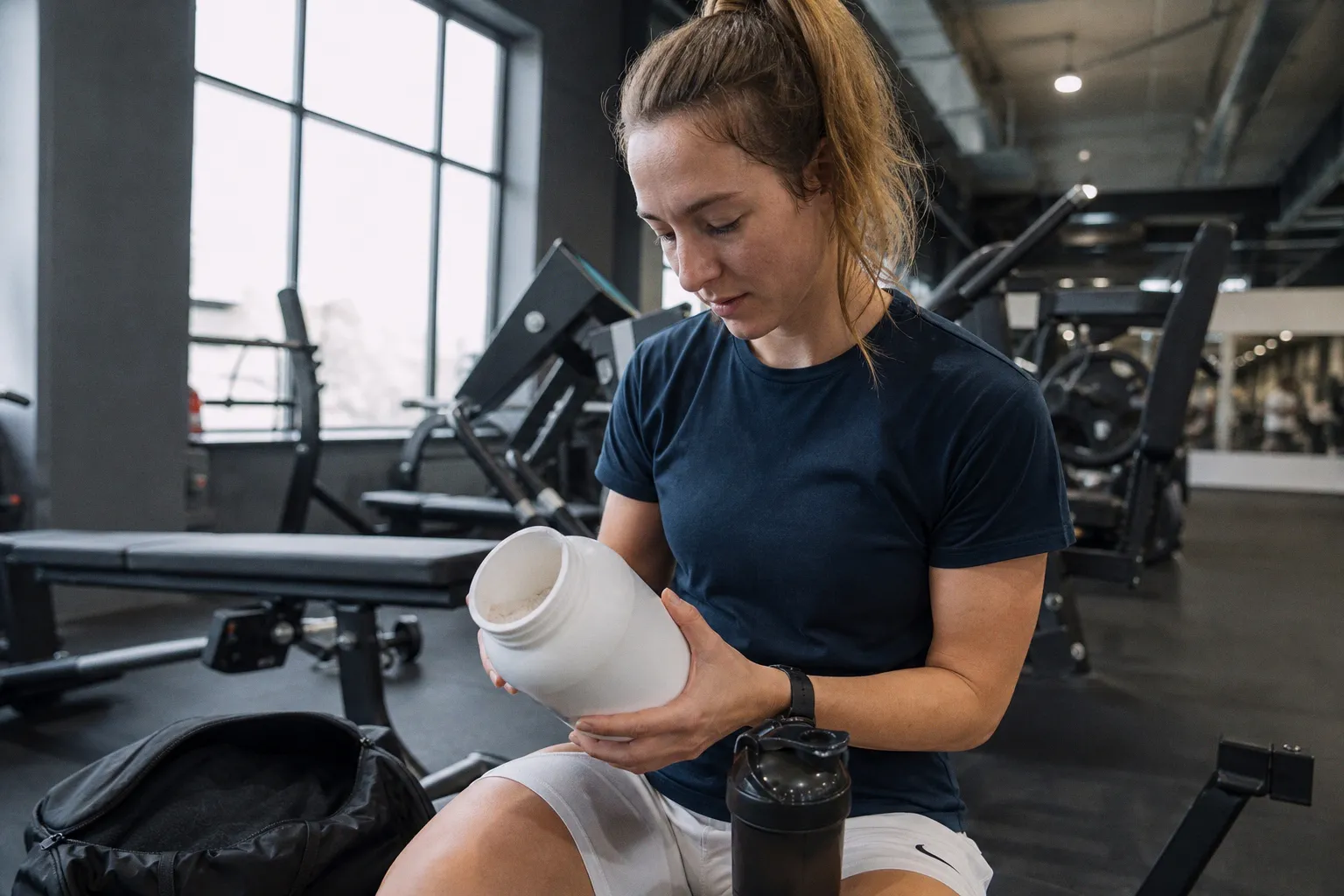
According to NutraIngredients’ round-up of recent research on women’s sports supplements, the useful question is not “Which five products work?” but “What problem are you actually trying to solve?” That is less marketable than a neat top-five list, admittedly. It is also closer to how performance nutrition works: training demands, energy availability, age, goals and baseline nutrient status all matter.
A separate Fitguru.training headline promises five supplements “backed by science instead of marketing,” but the available material does not identify those five. That omission is worth noticing before anyone treats a numbered list as a shopping plan.
The baseline is still food, fuel and training
The clearest evidence in the NutraIngredients report concerns protein-based strategies, particularly alongside resistance training. The point is not that protein powder possesses mysterious gym-floor powers; it is that adequate protein paired with progressive resistance work can support lean mass, muscle function and healthy aging.
For women’s football, researchers involved in the FIFA Female Health Project emphasize nutritional plans tailored to position, training volume, season phase, body-composition goals, training age and menstrual status. They also highlight sufficient energy intake, carbohydrate timing around training and matches, and carbohydrate plus protein after play.
That is the unglamorous hierarchy: first make sure you have enough total fuel for the work you ask your body to do. Then make the timing practical. Only then does a supplement deserve attention. Skipping the first two steps and buying a tub is not a strategy; it is marketing with a scoop.
Where the evidence is useful—and where it is still early
The report describes creatine as appearing safe and potentially helpful for strength and power, while noting that female-specific guidance remains limited. Caffeine also shows promise for cognition and explosive tasks. Neither statement is a universal instruction to use either one. Sufficiency, tolerance and the specific demands of your sport come before a generic protocol.
Collagen is an emerging area of interest, with research exploring tendon, bone and appetite-related outcomes, but the findings are still early. That is a perfectly reasonable place for the evidence to be. It is not a reason to inflate a possibility into certainty.
Research is also moving toward more individualised approaches: menstrual-cycle phase, hormonal contraceptive use, hydration needs, sweat rate, body-composition goals and energy availability may all affect what is relevant for an athlete. “Women’s supplement stack” is therefore a convenient retail category, not a physiological diagnosis.
The practical filter for amateur athletes
Before adding anything, I would ask three blunt questions. Are you eating enough carbohydrate to support sessions and competition? Are you consistently doing the resistance training required for the adaptation you want? Is there a clear gap that a supplement can realistically address?
For older women, the round-up cites a 12-week study in which the group combining exercise and essential amino acids had the strongest improvements in muscle mass and fitness-test performance. The useful lesson is the combination, not the amino acids in isolation. Training remains the signal; nutrition supports the response.
The supplement industry prefers a five-item answer because it fits on a carousel. Your body prefers a baseline: enough energy, adequate carbohydrate around hard work, protein matched to resistance training, and hydration shaped by your own conditions. Start there. The rest can wait.