Gen Z Fitness Trend: Are Group Workouts Better?
Medscape has framed group workouts as a Gen Z fitness trend. Two adjacent signals point in the same direction: gym-specific functional fitness competitions are being promoted, while Apple Fitness+ is…
Duncan Reed·updated July 15, 2026
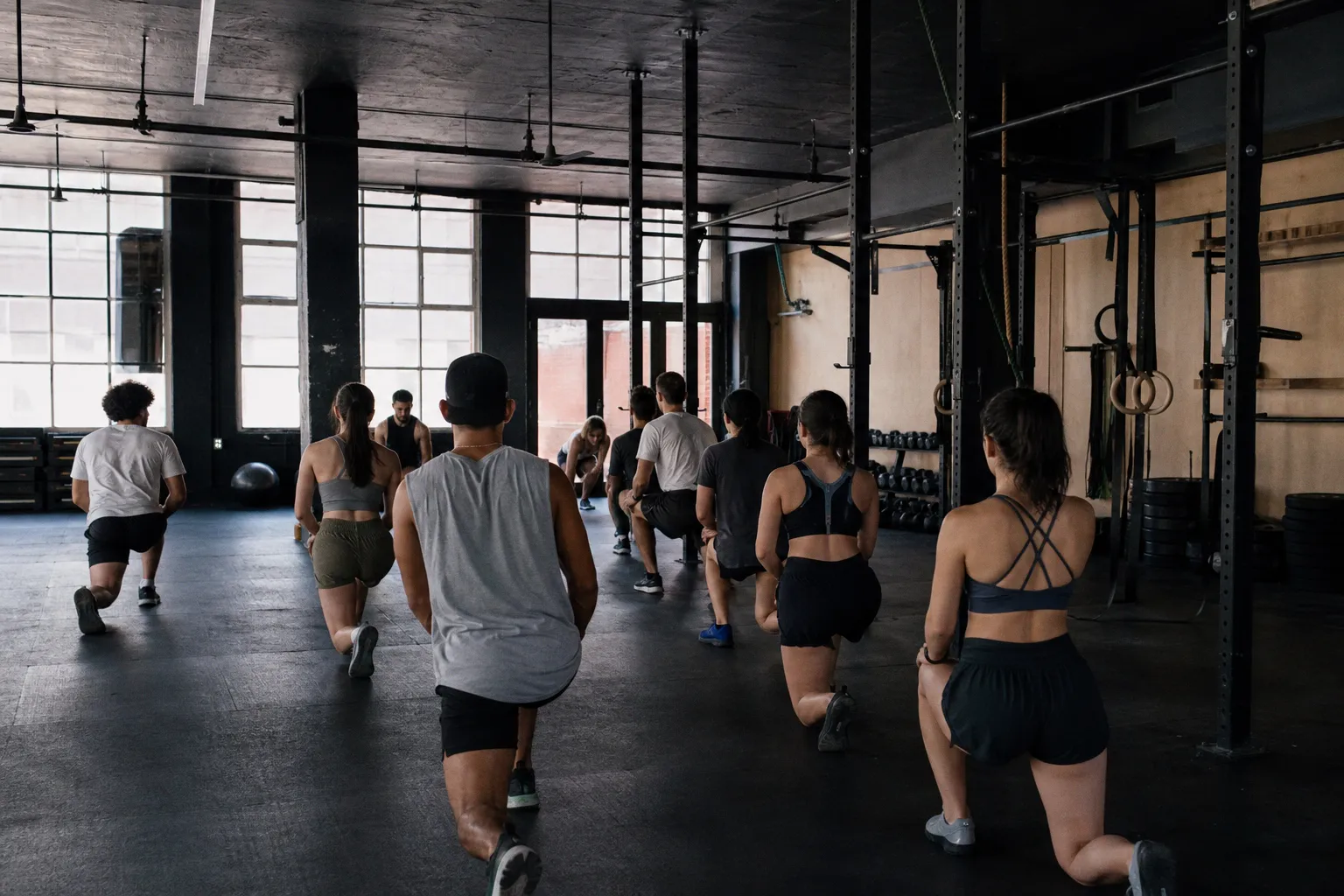
Medscape has framed group workouts as a Gen Z fitness trend. Two adjacent signals point in the same direction: gym-specific functional fitness competitions are being promoted, while Apple Fitness+ is being discussed in terms of keeping workouts fresh.
That is a participation story, not yet a training result. The available source material contains no session volume, intensity, injury data, adherence figures or performance outcomes. “Better” cannot be assigned from a class format alone.
The missing variable is load management
A group session sets an external structure: start time, exercise order, tempo and social context. None of these variables describes the load received by the individual athlete.
The relevant question is whether the session allows force production and fatigue to be managed against the athlete’s current capacity. A functional-fitness competition inside a gym may provide a clear target. It may also create a mismatch between the prescribed task and the athlete’s technical ceiling. The headlines do not establish which outcome occurs.
The same limitation applies to workout variety. Fresh programming can change attention and attendance. It does not, by itself, establish progression in strength, running economy, mobility or recovery.
Group training needs an individual control layer
Treat the class as the delivery format, not the programme.
Before joining a session, define one primary output: strength, conditioning, movement practice or recovery. Then screen the session against that output. If the task requires high-repetition work after technique deteriorates, reduce repetitions, range, resistance or pace. If the session creates a hard conditioning stimulus, do not duplicate that load with another demanding workout merely because the schedule allows it.
For amateur athletes, the main mechanical error is not group training. It is treating every group session as a test. Competition framing can shift attention toward completion speed and peer comparison. Training should retain a different priority: repeatable kinematics under a load that the athlete can recover from.
A simple protocol for the next class
Record the session’s main demand before it starts: lower-body force production, upper-body pushing or pulling, repeated intervals, impact volume, or mixed work. Select one variable to cap. That may be load, repetitions, running pace, range of motion or total rounds.
Afterward, record only what can guide the next exposure: the modification used, whether technique changed under fatigue, and whether the session displaced planned training or recovery. Repeat the class only if its load fits the wider week.
Group workouts may improve the structure around training. They do not remove the need for individual programming. The useful unit remains the athlete’s accumulated load, not the room’s energy.